

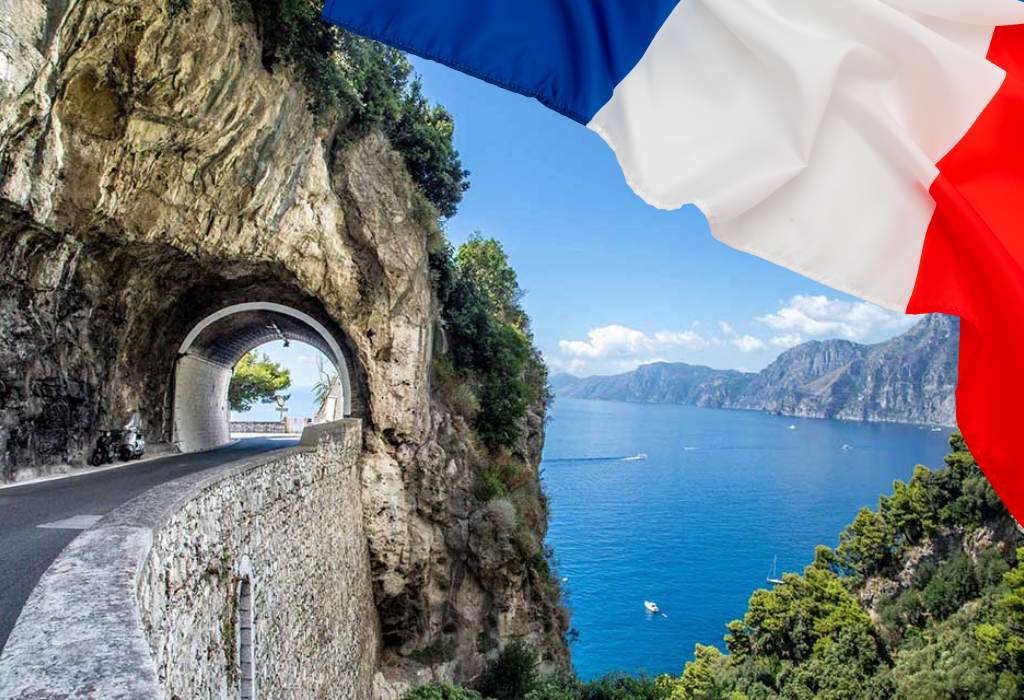
With over 7,000km of scenic roadway, taking a road trip is easily the best way to explore the land of cheese and wine. France offers a driving experience for every type of adventurer—from tackling the highest through-road in Europe (Col de la Bonette) to cruising rugged coastlines, dense forests, and dramatic volcanic corridors.
Whether you are packing up the family car for a summer staycation or taking a ferry over from Ireland or the UK, driving in a foreign country pays to be prepared.
Here are the essential rules, speed limits, and road trip survival tips you need to ensure a très bon journey!
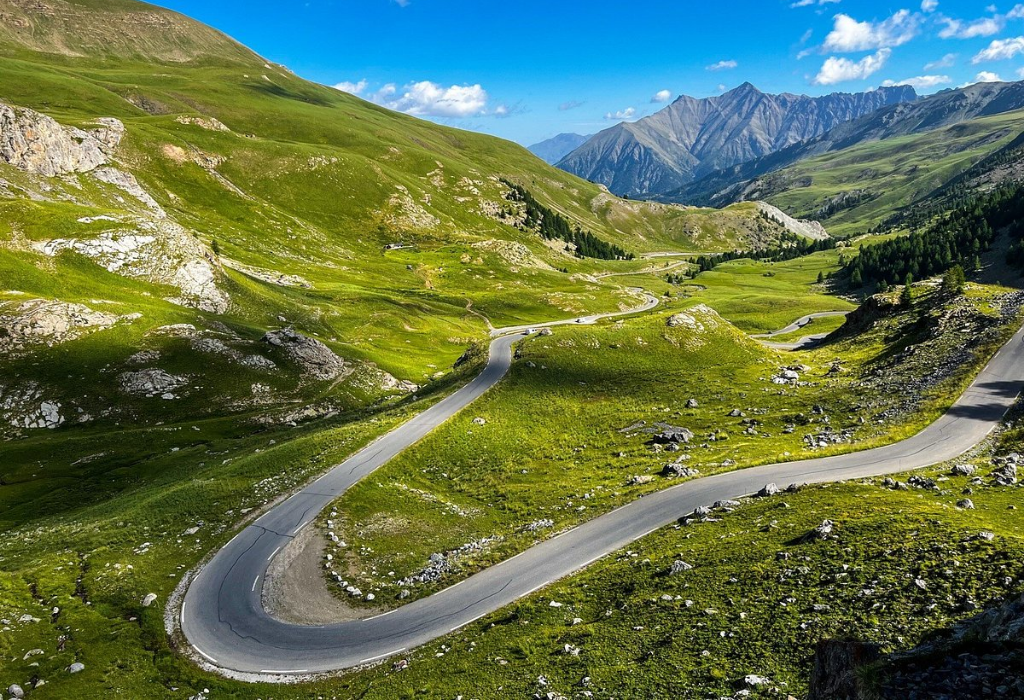
On Your Marks: Understanding French Road Types & Speed Limits
France utilizes three main classifications of roads. It is vital to note that speed limits drop automatically during wet weather to account for reduced traction.
| Type of Road | Dry Weather Limit | Wet Weather Limit |
| Toll Motorways (Autoroutes) | 130 km/h (80 mph) | 110 km/h (68 mph) |
| Dual Carriageways | 110 km/h (68 mph) | 100 km/h (62 mph) |
| Other Open Roads / Rural | 90 km/h (56 mph) | 80 km/h (50 mph) |
| Built-Up / Urban Areas | 50 km/h (31 mph) | 50 km/h (31 mph) |
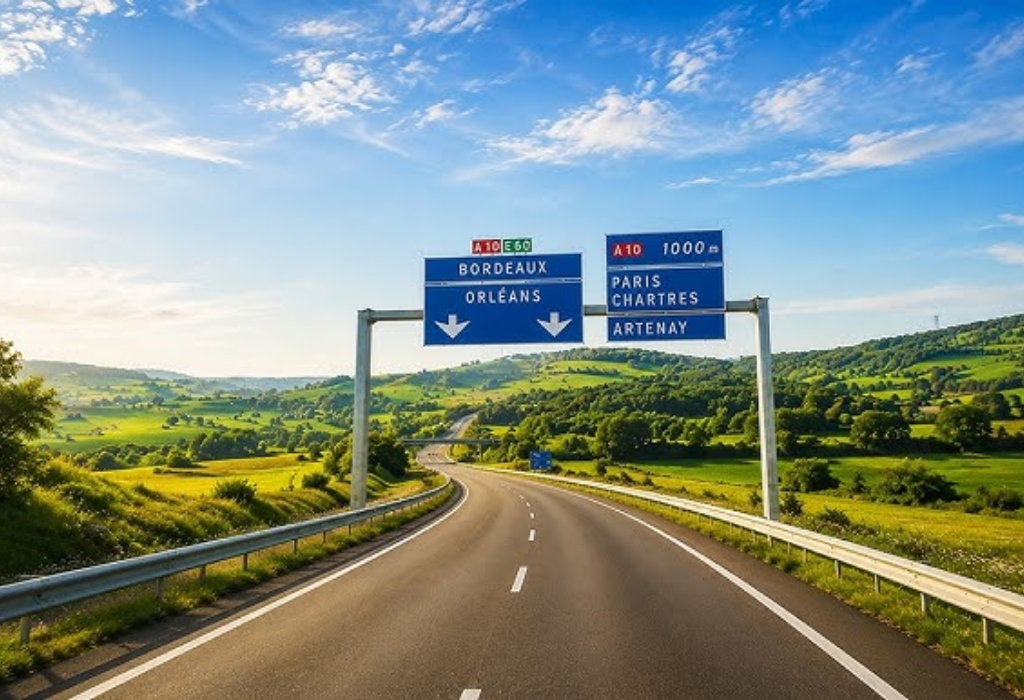
Budgeting for Motorway Tolls (Les Péages)
French motorway tolls are world-renowned, with fees ranging from a few euros up to €80 for longer trans-continental routes. You can pay at the péage barriers using cash or credit/debit cards. It is highly recommended to have a variety of payment methods on hand, as foreign cards can occasionally be rejected by certain regional automated toll machines.
⚠️ Legal Warning: French law strictly prohibits speed camera detectors, including automated radar alerts programmed into your GPS or SatNav systems. Be sure to disable or uninstall radar warnings before entering the country to avoid heavy on-the-spot fines and device confiscation.
Get Set: The Essential French Driving Checklist
By law, traffic police (The Gendarmerie) require you to carry specific safety gear and documentation inside the vehicle at all times.
Mandatory Legal Requirements:
- Age & Licensing: You must be at least 18 years old and hold a full, valid driver’s licence (learner permits are not recognized for international driving).
- Original Documents: You must carry your vehicle registration document (Logbook/V5C) and a valid certificate of motor insurance. Originals only—photocopies are not accepted.
- High-Vis Vest & Warning Triangle: You must have a warning triangle in the boot and a reflective high-vis jacket within arm’s reach of the driver inside the cabin.
- Country Identifier: You must clearly display an ‘IRL’ (or ‘UK’) sticker on the rear of the car if your vehicle does not feature the identifier integrated into the registration plates.
- Headlight Beam Deflectors: Because you will be driving on the right side of the road, your headlights will naturally blind oncoming traffic. You must manually adjust your beams or apply sticky Headlamp Beam Converters to change the angle.
- Winter Equipment: If you are traveling through designated mountainous regions during winter, you are legally required to carry Snow Chains or have winter tires fitted.
- Seatbelts & Child Safety: Seatbelts must be worn by all passengers at all times. Children under 10 years old must ride in the back seat. Exception: Babies under 9 months (weighing under 9kg) may sit in a rear-facing car seat in the front, provided the passenger airbag is fully deactivated.
- Mobile Devices: Using a hand-held phone while driving is strictly illegal. You must use an integrated hands-free system, and you are forbidden from programming a GPS device unless safely parked.
Alcohol Limits & Laws
The legal blood alcohol limit in France is 0.05% (lower than the standard UK limit and matching the strict Irish limits). While old laws once required drivers to carry a single-use breathalyser, this is no longer legally mandated or penalized. However, the police carry their own; if you are tested and found over the limit, you face severe on-the-spot fines, vehicle impoundment, potential prison time, and an immediate driving ban.
Go: Navigating French Traffic and Roundabouts
While France uses a very similar traffic light system and road markings to Ireland and the UK, there are a few golden rules you must remember:
- Drive on the Right: Overtaking is done strictly on the left-hand lane. It is an offence to undertake slower vehicles, and you must move back over to the slow lane as soon as it is safe to do so.
- Anti-Clockwise Roundabouts: Traffic flows anti-clockwise. Generally, vehicles already on the roundabout have the right of way, but keep an eye out for signs indicating “Priorité à droite” (priority to the right) on older rural junctions.
A Quick Word on Driving in Paris (Or Avoiding It!)
Unless absolutely necessary, avoid driving in Paris. The city boasts world-class public transport, whereas the streets are congested and chaotic.
To enter the city center, you have to brave the Boulevard Périphérique ring road, one of the busiest corridors in Europe. Furthermore, parking is incredibly scarce, and Parisian drivers routinely practice “bumping”—nudging stationary cars to squeeze into tight spaces. This leaves many vehicles with minor dings and dents. Because rental car agencies charge exorbitant fees for minor cosmetic damage, taking a train into the capital will save you time, money, and stress.
3 Spectacular French Road Trip Routes to Try
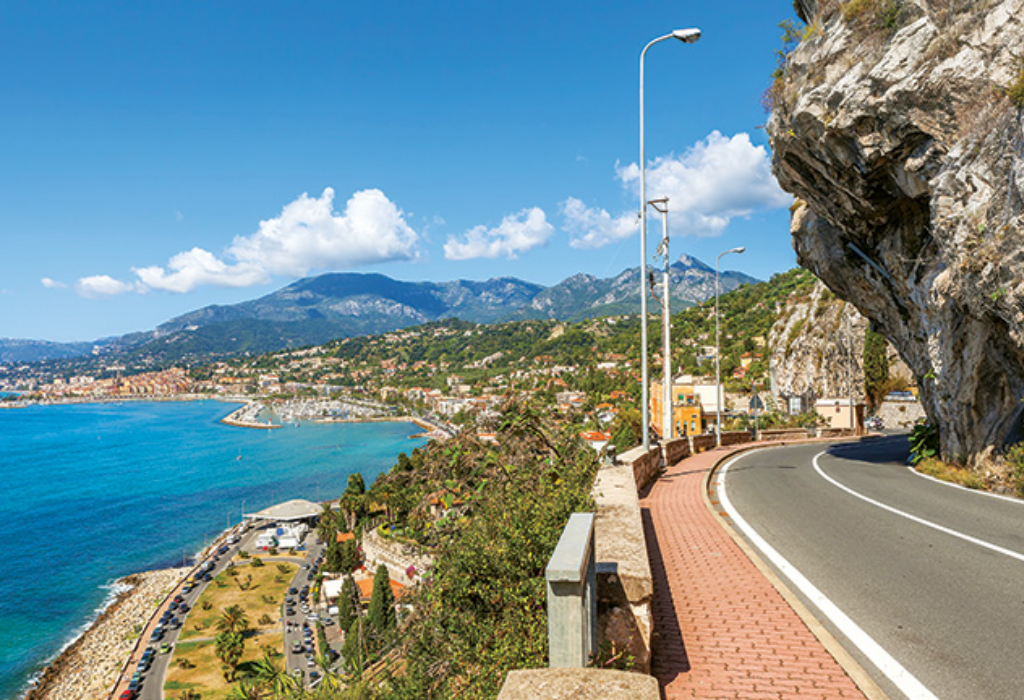
If you want to experience the true joy of open-road driving (la joie de vivre), add these iconic routes to your itinerary:
- The Clermont-Ferrand to Montpellier Motorway: This route cuts directly through spectacular mountain scenery and acts as an incredible, entirely toll-free alternative to the heavily congested A6/A7 Rhône Valley route down south.
- Route Napoléon: This smooth, 150km stretch tracks Napoleon’s historic 1815 march from Elba to Grenoble. Packed with beautifully cambered corners and sweeping vistas, it is a dream road for driving enthusiasts.
- The French Riviera Coast Road: A stunning 200km route that winds through glamorous seaside towns scattered along the Mediterranean coastline.
Pack Smart: Optimizing Your Vehicle Comfort
When packing the family car for a long-distance continental trip, interior space becomes premium real estate very quickly. Cramming bags into the passenger footwells isn’t just uncomfortable; it can be dangerous.
Upgrade Your Cargo Space at MicksGarage.com
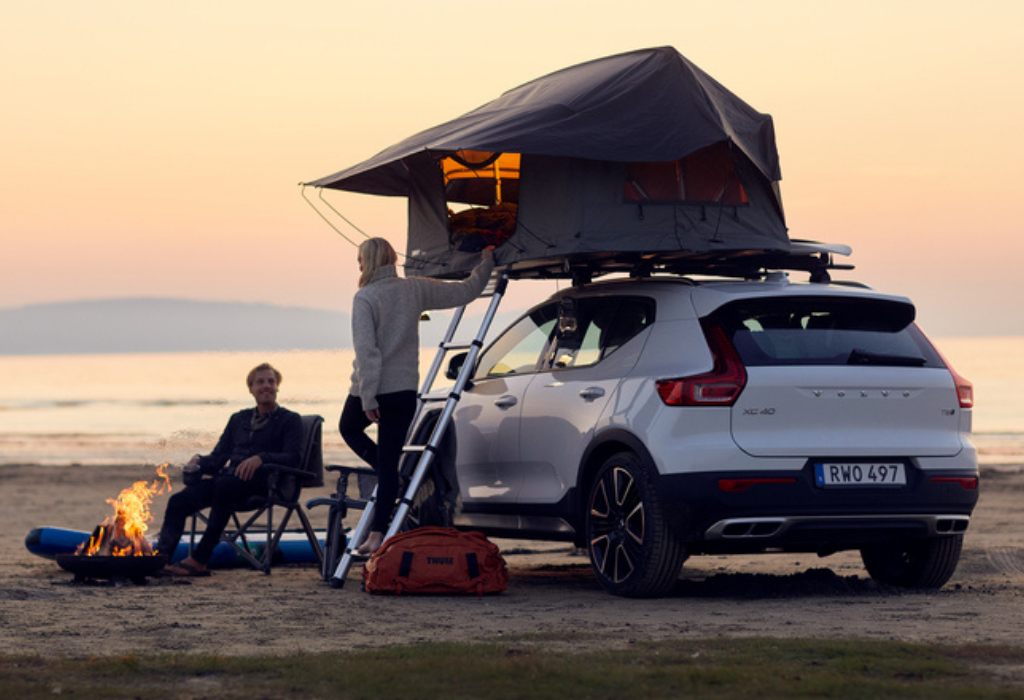
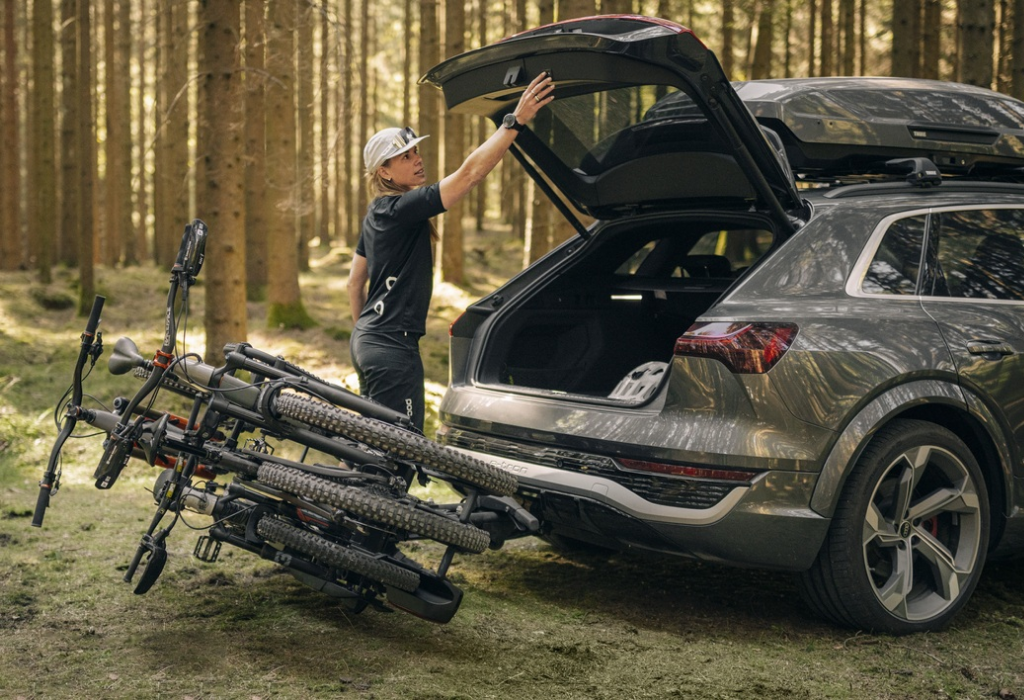
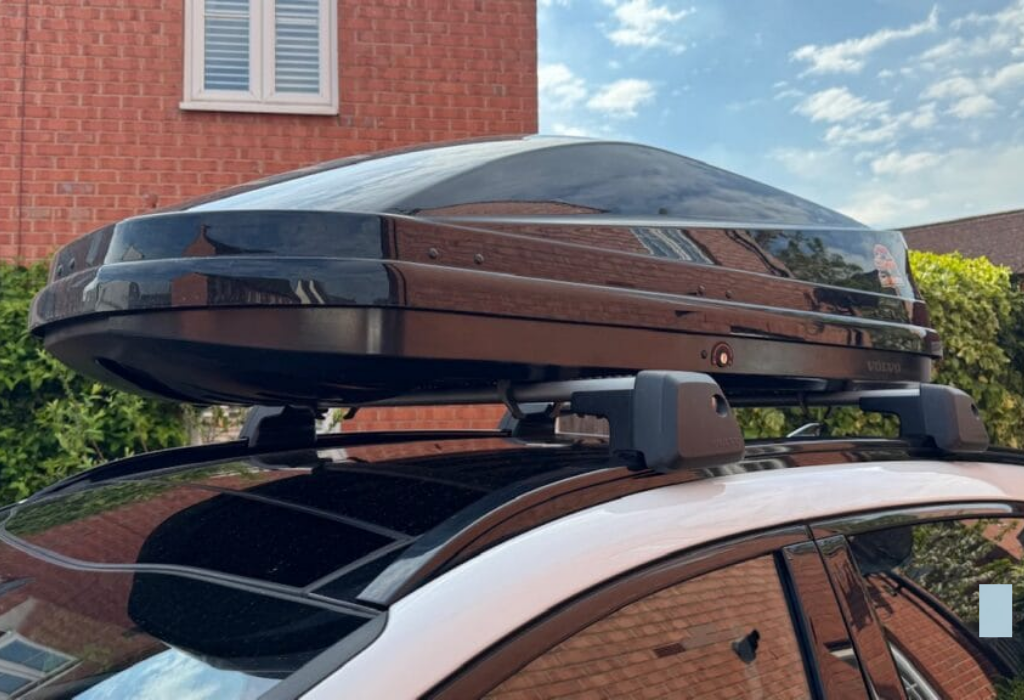
If you are traveling with young kids and need to accommodate bulky items like buggies, travel cots, and family luggage, a high-quality set of Roof Bars and a Roof Box is the ultimate solution.
Check out our expert guides for more helpful info!
The Ultimate Guide To Roof Bars
The Top 10 Do’s & Don’ts When Using a Roof Rack

Leave a Reply